On-site workshops
Practical sessions at the site, using its own records and routines as the material.
Training and preparation from experienced auditors. We help your sites, buying teams and audit teams understand what an assessment examines, why each requirement exists and how to show the evidence behind everyday practice.

Whether an audit is announced or unannounced, the aim is the same: an honest picture of the site on that day. We cannot tell you what to say.
We can make sure your team understands the requirements, keeps the right records and can explain how work actually happens. That is what a good assessment rewards.
Delivered by auditors who conduct these assessments.
Choose an audience to see an illustrative outline. We agree the content, depth and format around your sites, your standards and any previous findings.
Site teams
What will the auditor look for, and what should we have ready?
The sequence of an assessment: opening meeting, site walk, document review, worker conversations and closing meeting.
What your customer code or standard asks for in practice: working hours, pay, recruitment, health and safety, grievance and equity.
Which documents an auditor cross-checks, and how time records, payslips and contracts need to agree with each other.
Why auditors speak to workers in private, what they ask and why coached answers damage the site's credibility.
How a finding is graded, how to respond and what evidence closes it.
A site team that knows the requirements, keeps consistent records and can explain its practice.
Buying & programme teams
How do we commission audits well and act on what they find?
Social compliance, tailored, labour provider and service provider audits, and when each one applies.
How scope, standards, access and timing shape what an audit can find.
Separating observation, evidence and interpretation, and recognising a thin report.
Root cause, realistic deadlines, verification evidence and follow-up.
Patterns across suppliers, escalation routes and what to feed back into sourcing decisions.
A team that briefs assessments clearly, reads findings critically and follows them through.
Internal & second-party auditors
How do we assess a site consistently and defensibly?
Planning, sampling and triangulation across interviews, records and observation.
Building trust, asking questions that open up and recognising coached or fearful answers.
Reconciling time, pay and contract data, and recognising double books and reclassified hours.
Health and safety, accommodation, security and the signs that the paper process is not the real one.
Evidence-led findings, severity and reports that people can act on.
Auditors who gather evidence consistently and write findings that stand up to challenge.
Illustrative outlines. Content follows your standards, sites and previous findings.
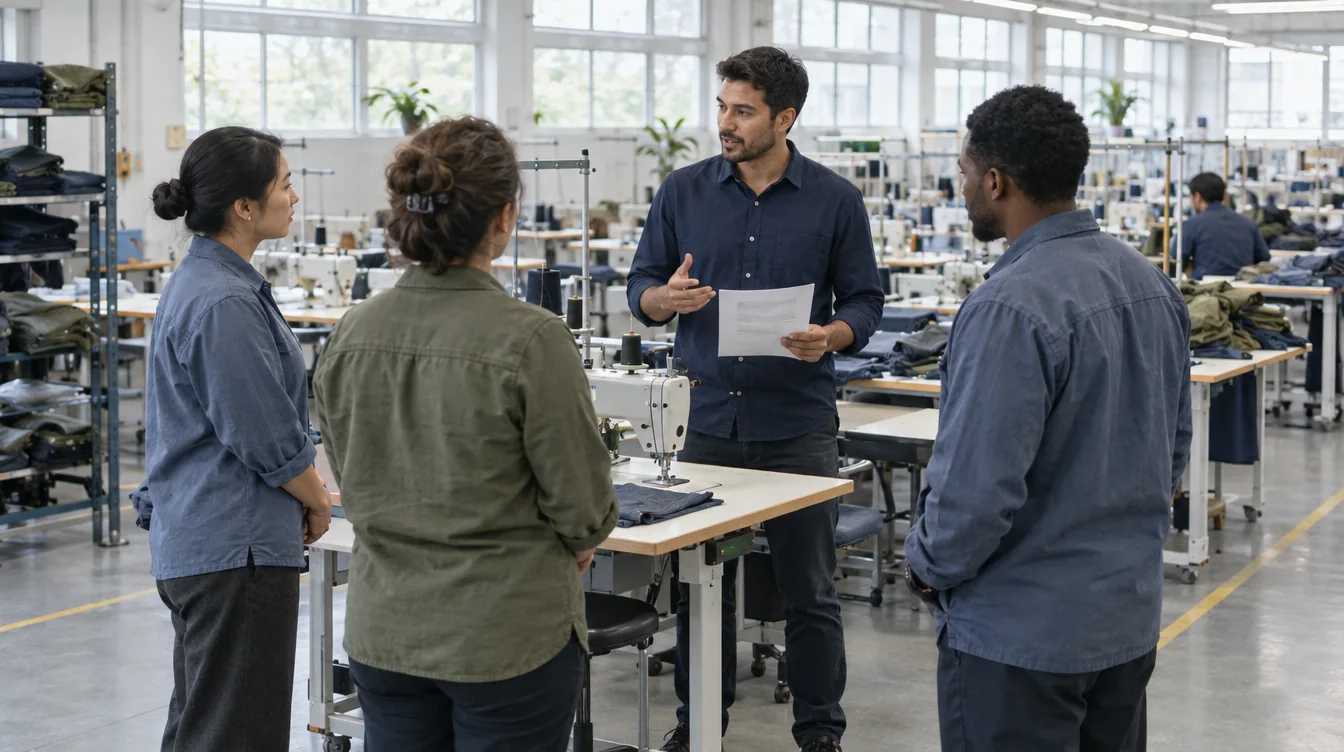
A session can run on the production floor, in a meeting room or online. We shape the format around who needs to attend and what they need to leave with.
Practical sessions at the site, using its own records and routines as the material.
Live remote sessions for distributed teams and supplier groups, with e-learning where a wider audience needs the fundamentals.
Short sessions for leaders on what audits reveal and what the findings require of them.
Equip internal leads to carry the training to other sites and suppliers.
A Total GAP audit is a tailored pre-audit visit. We assess the site against the standards, codes, local law and regulations that apply, including the ones that might not seem relevant to your industry.
You get a complete picture of readiness and time to close the gaps before the real assessment. Training then addresses the gaps the review found.
No. The audit should show an honest picture of the site. Training explains what an assessment examines and why, so your team can improve practice and present the evidence that already exists.
Experienced auditors and consultants who conduct social compliance and supplier assessments. The content draws on the findings they see most often.
Yes. Supplier sessions can cover a group of sites or a single supplier, in person or remotely. We agree the scope with you and with the suppliers involved.
Yes. A Total GAP audit identifies the gaps, and training addresses them before the external assessment. Each can also be commissioned on its own.
Tell us about the sites, the standard and the people who need to be ready. We will help you shape the training.