Follow the metal.
Follow the evidence.

A mineral changes hands long before it reaches your business. Aseri helps miners, traders, smelters, refiners and downstream buyers connect its origin to the people, relationships and places behind it.

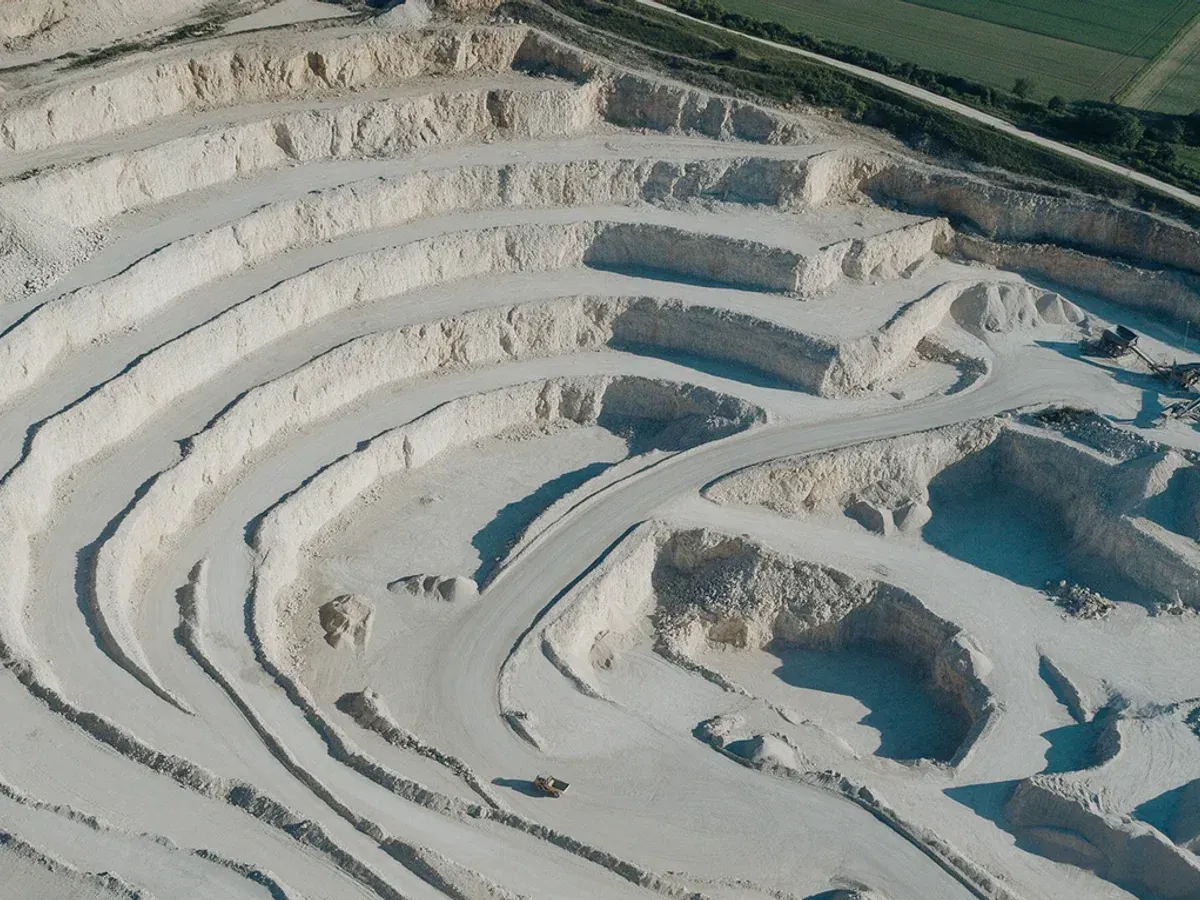
Illustrative aerial view of terraced extraction benches and haul roads
Illustrative photography. No specific mine or mineral origin is represented.

One metal.
Three lines of enquiry.

Follow the physical material alongside ownership and geography. A missing link at a trade hand-off changes the questions to ask next. Select a mineral to explore.

Hypothetical examples, not findings about these countries or actual suppliers. A reported connection still needs verification.

Tin from Bolivia: illustrative evidence trail.

  1. Mine

    Reported connection
    Material
    Concentrate lot
    Ownership & relationships
    Declared mine operator
    Geography
    Mine location supplied
  2. Aggregator

    To confirm
    Material
    Combined lots
    Ownership & relationships
    Aggregator named
    Geography
    Collection points missing
  3. Processor

    Reported connection
    Material
    Smelter intake
    Ownership & relationships
    Trading intermediary unclear
    Geography
    Transit route incomplete
  4. Buyer

    Material
    Purchased tin
    Ownership & relationships
    Contracted supplier named
    Geography
    Delivery location supplied

The next enquiry

Document
Reconcile combined lots with the mine dispatch records.
Worker
Ask workers how contractors arrange pay and protective equipment.
Community
Identify communities sharing water sources with the declared operation.

A sourcing decision with a record behind it.

Bring the three tracks together. Record the gaps, the action owner and what must be checked before the next decision.

When several origins become one shipment.

At an aggregator or refinery, the evidence question changes: which incoming material supports the origin declared for the metal you buy? Start with a defined purchase and work back through its hand-offs.

At the aggregator

Ask for
Supplier and collection-point records, dispatch notes and the lot references behind the combined shipment. Ask who sold the material and who physically handled it.
Examine together
Compare dates and quantities across receipts and onward deliveries. Clarify whether lots were mixed, divided or held in storage. Record where the available documents stop supporting a connection.
At the smelter or refiner

Ask for
Intake records and the explanation linking incoming batches to outgoing metal. Establish how the facility distinguishes material from different suppliers and handles changes in its sourcing.
Examine together
Check the scope and dates of any assessment supplied. Follow gaps back to the relevant trader or collection point, keeping the declared origin separate from what the records substantiate.

The useful output is a traceable account of the purchase: evidence reviewed, connections supported and questions still open. Give each missing link a named contact and an agreed evidence request.

The location belongs in the record.

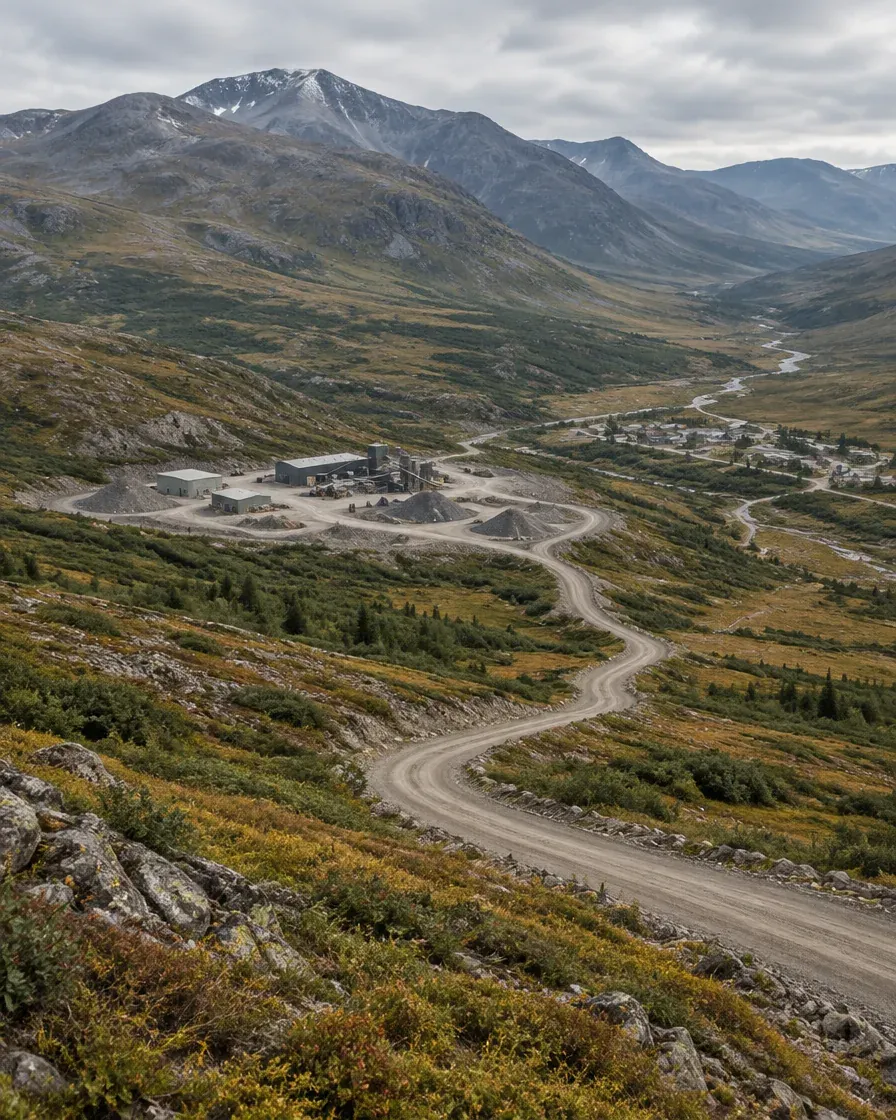
Illustrative Higgsfield-generated view of a mineral processing site and access road within a mountain valley
Illustrative landscape. No specific mine or assessed location is represented.

A declared country of origin starts an enquiry. Site-level context helps examine conflict and security arrangements, labour conditions, community relationships and environmental impacts. Provenance documents should lead to questions that can be checked with people close to the operation.

Commodity, Country and Industry Risk Intelligence connects the material, location and business activity. Continually updated national and sub-national CAHRA intelligence helps flag conflict-affected and high-risk area context for closer enquiry. Neither replaces a site-specific assessment.

Pin down the extraction site, collection area and transport route before applying that context. Note the source and date behind each location. Workers and neighbours can raise concerns that a shipment record cannot answer; agree how to hear from them safely and revisit differences between their accounts and the documents.

For a difficult origin, trading relationship or investment, Aseri’s risk intelligence service brings research and expert analysis to the question your team needs to resolve.

Close the evidence gap.
Follow through on the impact.

Document review, worker engagement and community experience inform the same decision. What happens next should have an owner and a route back to the people affected.

Verify the account

Our audit and assurance work examines traceability records, supplier practices and operating conditions. Human rights risk assessments help prioritise concerns; impact assessments explore how workers and communities are affected.

Available audit tools support AI-assisted reviews, risk-led question frameworks, audit delivery and auditor management, including job assignment and progress monitoring. Use the unresolved provenance questions to shape the audit brief. Expert judgement connects those tools to the evidence gathered.

Put the response to work

Aseri’s consulting team helps translate findings into management systems, supplier policy and practical training. Set clear requirements at onboarding, strengthen grievance processes and agree corrective actions with suppliers.

Where harm is identified, plan remediation with affected people and follow up on its effectiveness. Keep responsibility visible through purchasing reviews, supplier engagement and the next assessment.

What goes back to the sourcing team?

A review should make the next purchasing conversation possible. Bring verified information and remaining uncertainty into one account, so buyers understand which conditions need attention before a new order or supplier renewal.

Agree whether to seek further evidence, commission a targeted assessment or escalate the relationship for a sourcing decision. Consider how any change in purchasing could affect workers and communities, and how those effects will be followed up.

Keep the open questions attached.

The evidence gap
State the unresolved origin or operating concern, its source and what would help resolve it. Record conflicting accounts explicitly.
The person responsible
Name who will obtain the records or organise engagement, and who can decide what the findings mean for the purchase.
The next review
Set a review date and the changes that warrant an earlier check, such as a new collection point or a concern raised by workers.

Where does your evidence trail stop?

Bring the mineral, the sourcing question and the records you have. We’ll help you decide what to verify and how to act.