Agriculture
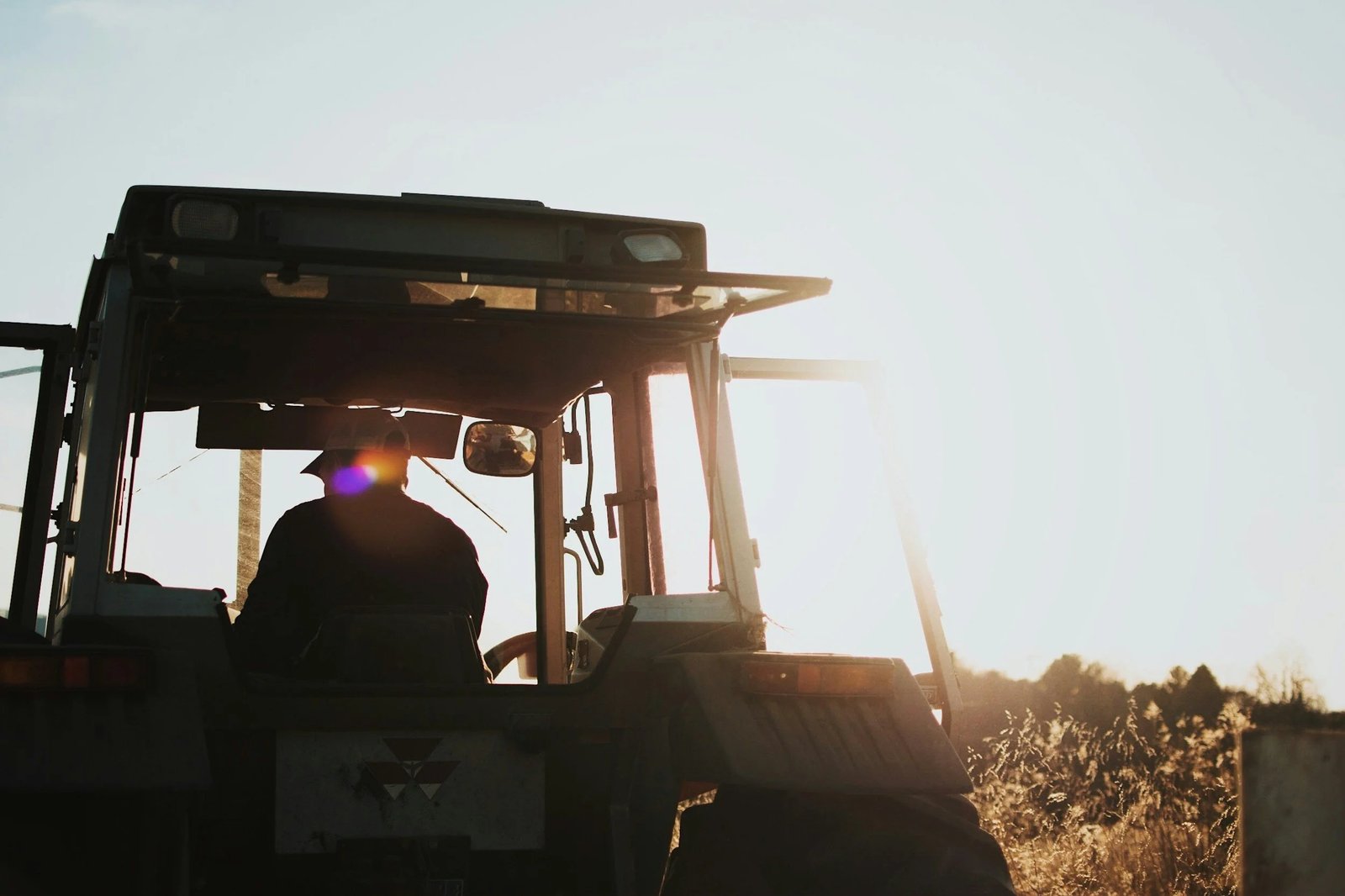
Commercial agriculture presents profound human rights challenges.
Expert human rights due diligence, backed by advanced analytics.
Using proprietary data collection and analysis, we conduct Human Rights Risk Assessments and Human Rights Impact Assessments across agricultural supply chains. Aseri Risk Intelligence provides country and commodity analysis across more than 200 commodities, including cocoa, palm oil, coffee, soy, cotton and rubber. Sub-national analysis is available as an additional capability. We combine these insights with stakeholder engagement, supplier audits and deep-dive assessments to help clients prioritise salient risks.
We develop human rights policies that address salient agricultural risks and embed them within governance structures, procurement processes, and supplier management systems. Our approach ensures policies translate into operational practice rather than remaining aspirational documents.
We design risk-based mitigation strategies prioritised by severity of harm to rights-holders, integrating human rights criteria across supplier performance management, capacity building, and enhanced due diligence for high-risk sourcing categories and geographies. Custom deep-dive assessments, including labour provider recruitment reviews, address debt bondage and forced labour risks at supplier level.
We design and implement worker voice programmes and community feedback channels that enable those affected by adverse impacts to raise concerns safely. Our grievance systems integrate multiple reporting channels, ensure confidential investigation procedures, and track remedy provision, moving beyond complaint logging to genuine resolution. This is a core requirement under CSDDD and the German Supply Chain Act.
Aseri Risk Intelligence helps teams review current country and commodity risk scores, recent source signals and changes over time. This supports ongoing reassessment between audits and helps teams decide where deeper investigation is needed.
We bring deep expertise in the human rights issues specific to agricultural supply chains, from forced labour in seasonal harvesting and child labour in family farming systems to land grabbing, inadequate consultation with indigenous communities, and cultural heritage impacts. Community rights coverage spans water access, pesticide contamination, and food security, with particular attention to migrant workers, women, and ethnic minorities who face heightened exposure across all these areas.