
Your industry. Seen in context.

Understand the risks behind your sector, with intelligence and expertise to help you act.

The connections behind your sector.

A material can connect very different industries. Understanding its origins helps you ask better questions.

Look beyond the finished fabric.

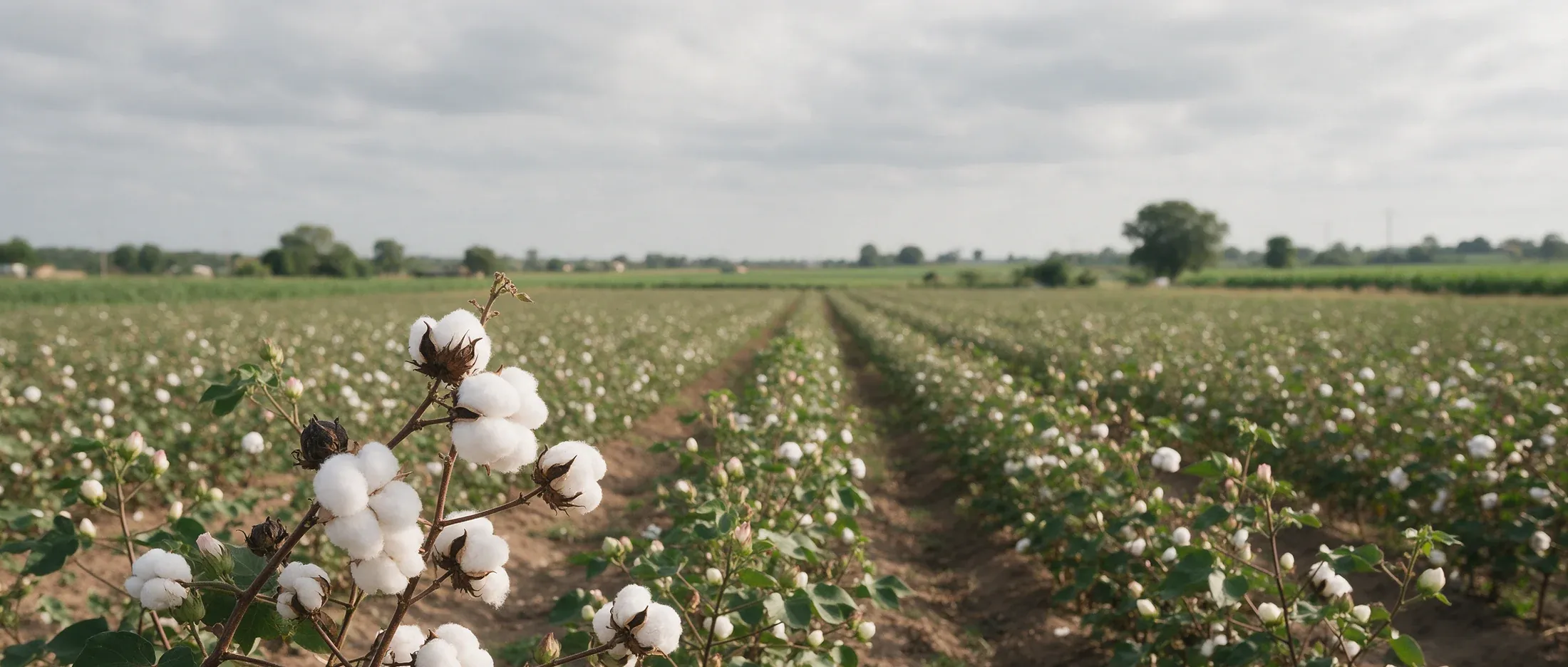
A question about a garment can begin with how its fibre was grown. Cotton connects fashion sourcing to agricultural labour, land and water use, alongside the practices involved in later processing.

How much do you know about the growing locations behind your cotton?

One issue.
Different realities.

A risk category tells you where to start. Industry context helps you understand what to look for. Explore how the questions change.

Labour rights: three industry examples shown.

The people behind the harvest.

Agriculture

Seasonal demand can bring labour providers and temporary workers into the supply chain. Recruitment arrangements matter alongside conditions on the farm.

A question to take further

Who recruits seasonal workers, and what costs do workers carry?

The work behind the finished piece.

Luxuries & Fashion

A finished garment can pass through several workplaces. Understanding who does the work helps you examine pay, working hours and safety beyond the direct supplier.

A question to take further

Which workplaces contribute to your products, and how are conditions checked?

The workforce around a project.

Energy & Infrastructure

Contractors and recruitment agents can connect a project to workers across different locations. Their arrangements shape the terms people arrive and work under.

A question to take further

Do workers understand their contracts, and have they paid recruitment fees?

Illustrative sourcing questions, not findings about a particular business or location.

Built around your sourcing reality.

Your business won’t always fit one category. Your support should fit the questions you’re trying to answer.

Illustrative sourcing table with cotton swatches, cocoa beans and copper wire. Generated with Higgsfield.
Space for the detail.
Support for the next step.
Our business spans several industries.

Start with the activities and relationships you want to understand. A retailer may need to look at agricultural ingredients, textiles and packaging; an investor may be looking across a portfolio. We shape the work around those connections and the activities that need closer attention.

We don’t have a complete supplier picture.

Start with your supplier names and the materials you buy. Add sourcing locations or an existing assessment where you have them. We can help distinguish what is known from what needs investigating, and identify the information worth requesting next. Gaps become part of the scope.

We need intelligence and hands-on support.

Use Aseri Intelligence to explore commodity, country and supplier risk. Where a question needs deeper investigation, our specialists can help through research, audits or assessments. Consultancy supports the policies, supplier engagement and practical changes that follow. The combination depends on the question.

We already have a due diligence programme.

Start with the part you want to strengthen. That might be a sourcing category, a supplier relationship or a gap in how findings are acted on. We can work with your existing approach to focus analysis, review practices or support your team with training.

What’s happening in your agricultural supply chain?

Explore agriculture

Bring the crops, sourcing locations or supplier relationships you want to understand. We can help you work out where to look more closely.